
Gender Inclusivity in Urban Spaces: Exploring Gendered Power Structures through Cinematic Representation
The Her Cities project is a participatory research initiative at Northumbria University led by Dr. Jiayi Jin at the Department of Architecture and Built Environment. The project delves into the complexities of gendered power dynamics within urban environments, exploring the intersections of gender, urban mobility, and adapting models of inclusivity and diversity in cities. By employing cinematic representations as a medium to explore these themes, the project provides a critical lens through which to examine the challenges faced by diverse gender groups in navigating urban spaces. Through four designed workshops, the project sought to engage participants in reflective dialogue, centring on stories of inclusion, exclusion, adaptation, and resistance. These narratives aim to challenge entrenched power structures and contribute to the creation of more inclusive, safe, and resilient urban environments.
Cinematic Methods to Explore Gendered Urban Experience
The project set out to explore how gender identities and lived experiences shape urban life. This was accomplished through curated film screenings paired with structured group discussions, creating a space for critical engagement. The selected films functioned not only as artistic expressions but also as provocations, prompting deeper reflection on the ways urban systems can reflect, reinforce, or challenge gendered inequities. Participants were encouraged to critically examine these narratives and consider their real-world implications.
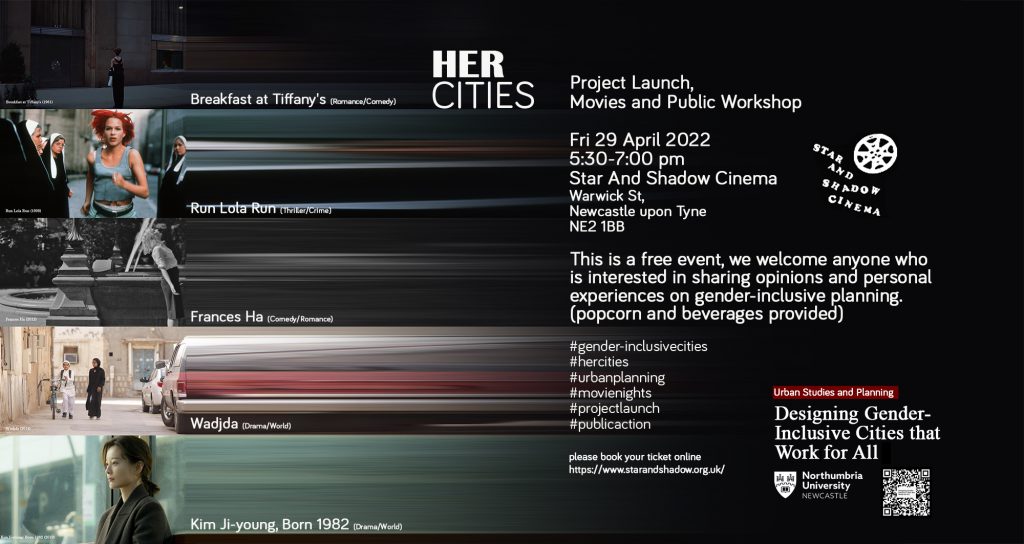
Figure1: Poster of the Her Cities Project and First Cinematic Workshop
Each workshop addressed a specific theme related to the gendered dimensions of urban life. The first session focused on the concept of the “right to the city”, framing it as both a moral and political demand in opposition to capitalism and patriarchy. This session interrogated how spatial experiences are gendered, addressing issues such as precarious mobility, housing insecurity, and emotional dislocation in urban contexts.
The second workshop explored the lives of immigrant women, using films such as Overseas (2019) and Chez Jolie Coiffure (2019) to highlight the intersecting challenges of gender-based violence, precarity, and displacement. These films portrayed intimate personal struggles while simultaneously critiquing the broader social and political systems that marginalise immigrant women in urban settings.
The third workshop extended these conversations to themes such as mobility and transport safety—critical issues that disproportionately affect women, especially those from marginalised communities. Films like Skater Girl (2021) and Nomadland (2020) offered powerful insights into the gendered constraints of movement and autonomy, while also shedding light on the infrastructural and societal forces that shape these urban experiences.
The fourth and final workshop shifted the focus toward the integration of gender and diversity perspectives in urban planning. It offered a platform to critically examine how urban policies can either reinforce or challenge gendered inequalities. Films such as Pretend It’s a City (2021) and City Dreamers (2018) were used to explore the principles of gender-responsive urban planning, highlighting the importance of designing urban environments that reflect the diverse needs of all gender identities. The last session also introduced the concept of participatory urbanism, encouraging participants to reflect on how grassroots activism and community-led design can contribute to more inclusive and equitable cities for all.
Impact and Outcomes
The findings from the workshops highlighted the critical role of interdisciplinary dialogue in tackling complex social challenges of gender inequality in urban settings. The active involvement of staff, students, community members, and external stakeholders fostered the exchange of diverse perspectives and sparked fresh ideas for developing gender-sensitive urban policies. It also created meaningful opportunities for networking and collaboration. During the past three years, this initiative evolved into a larger research project Gender-Inclusive Cities, through which we successfully built connections and disseminated our work across a wide range of publications.
Meanwhile, the workshops have inspired outstanding student works, including the Master of Architecture dissertation by Alanis Burgess titled The FeminiNE1: An Analysis of Gender Inclusivity within Newcastle’s Urban Core, which was nominated for the 2024 Royal Institute of British Architects (RIBA) President’s Medals Dissertation Medal. The research was further developed into a feature article in The RIBA Journal – Deconstructing the Default Male Landscape. Alanis now works as an architectural practitioner and remains a passionate advocate for equity, diversity, and inclusion in the built environment.
Between 2024 and 2025, in collaboration with Dr. Lucy Grimshaw from the Department of Social Work, Education and Community Wellbeing, we have secured additional funding incorporate urban open data and crime data and to address the challenges faced by ethnic minority women in gendered communities and urban parks in Newcastle and Gateshead. This project has adopted participatory GIS tools to enable marginalised groups to map and document their daily experiences in urban environment, furthering the goals of gender inclusivity in urban development.
In conclusion, Her Cities project has made a substantial contribution to the ongoing discourse on gendered power structures in urban environments. Through the use of cinematic representation and interdisciplinary dialogue, the project has successfully engaged a broad audience in critical discussions about the role of gender in shaping urban experiences. It has highlighted the need for more inclusive and gender-sensitive policies and provided practical recommendations for achieving these goals. The project’s impact extends beyond the workshops themselves, influencing academic research, institutional transition, and the broader urban planning community.
Acknowledgment
The project Her Cities: Interrogating Gender Issues and the Occupation of Urban Space through Cinematic Representation, was funded by the VC Diversity and Inclusion Fund 2022/23.