
It’s that time of year, not for playlists, but for play. As we close out our first full year of RE:PLAY, we couldn’t resist doing our own version of Wrapped.
So here it is: the highlights, the numbers, and the moments that made year one genuinely special.
Our Top Stats:
- 1,800+ student survey responses from across the UK
- 183 staff responses, spanning our partner institutions, a nationwide call, and Prolific
- 10 Innovation Fellows submitted
- 6 and counting accepted into Play in Action
- 5 of 7 Design to Play framework stages now live, guides and all
- 32 case studies in motion across four disciplines and eight types of play
This Years Chart Toppers
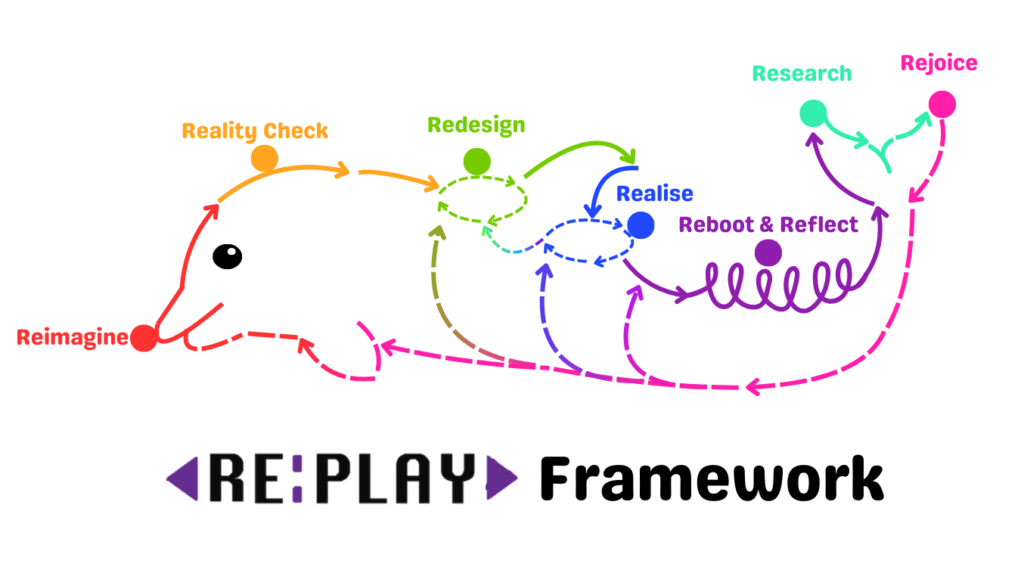
Build Me Up Buttercup: The RE:PLAY Framework
The RE:PLAY Framework is a practical tool, co-created with learning designers, that helps teaching staff redesign their modules to be more playful, step by step. This year it’s gone from early diagrams and whiteboard sketches to five fully-built, publicly available stages, each with its own guide written by our team. If a framework can have a fandom, this is ours.

Kokomo: Barcelona Beach, CHI 2026
A lunchtime beach takeover, a very serious sandcastle competition, and a trophy that now has more prestige than we probably intended. Also featuring: Ian’s post on the lusory attitude, if you want the theory behind the sandcastles.
Back for Good: Learning With Porpoise
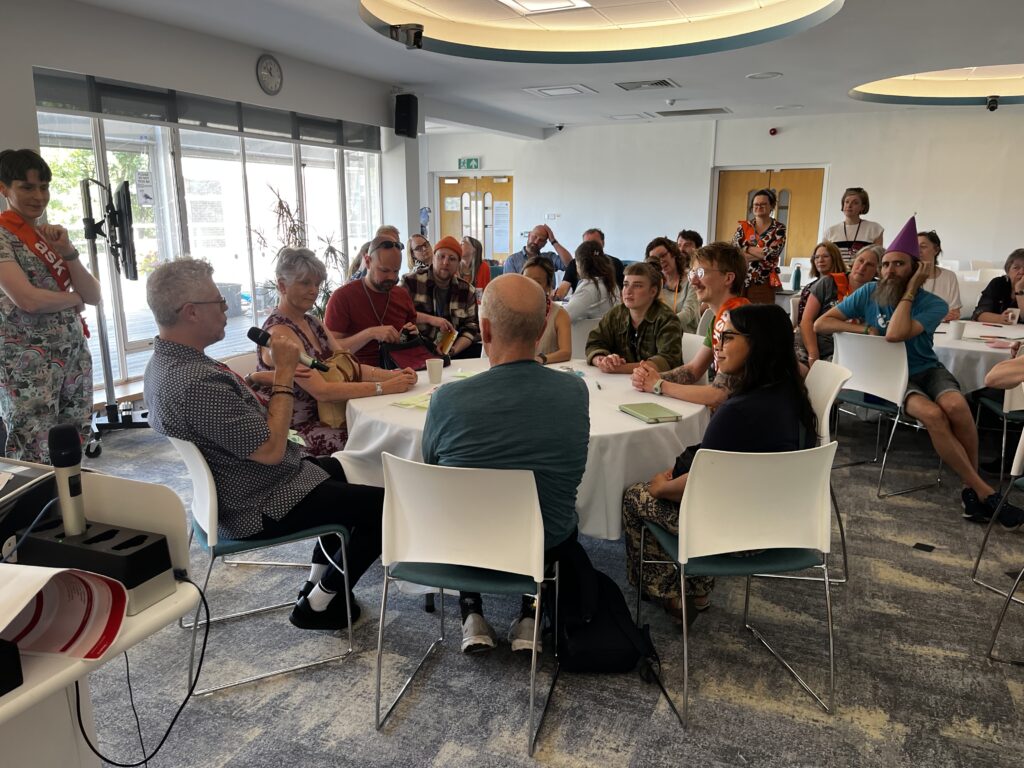
“Learning with Porpoise” is one of our team’s signature interactive sessions, designed to help people experience and understand the RE:PLAY Framework hands-on rather than just reading about it. This year it’s had its third outing, most recently at the Playful Learning Conference in Brighton, where our team also delivered a keynote from Alex, a Taskmaster-style session from Malcolm, and a session using our AI ethics card game, AI Aboard, to explore playfulness and AI together.
Shine: The Shine Awards 2026
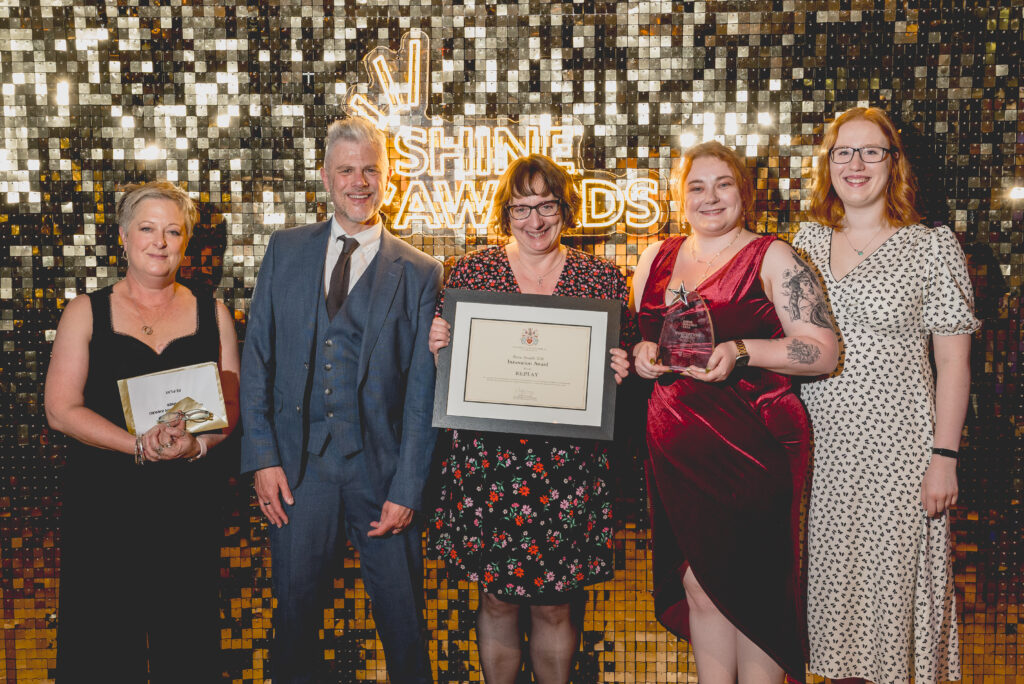
Northumbria recognised RE:PLAY with the Innovation Award at Northumbria’s Shine Awards 2026, given to teams who challenge the status quo and aren’t afraid to do things differently. It felt like a real vote of confidence in what we’re trying to do here.
The Full Album
That’s the highlights reel, but there’s a lot more where that came from. Read the complete RE:PLAY Year One Newsletter for the full rundown, workstream by workstream:
Wouldn’t It Be Nice: What’s Coming Up
So what’s next? Year two is where things really start to come together. We’ll be running our post-redesign interviews and surveys, comparing how students and staff felt before and after their modules were redesigned, and we’ll finally get to sit down with industry leaders to hear their perspective on playful learning beyond the university. If year one was about building the groundwork, year two is where we start to find out what actually changes.