Public and Patient Involvement and Engagement (PPIE)
Contents
Our Approach to PPIE
The IDEAS-NET team want to do good Patient and Public Involvement and Engagement (PPIE). By good, we mean we want to be transparent, treat people fairly and with respect, and be open to challenge and improving what we do.
We use the NIHR UK Standards for Public Involvement to guide our PPIE approach.
Contributing your insights can help ensure that research is meaningful, inclusive, and life-changing for others.
How We Started
We started our work on PPIE by running a workshop in May 2025 with people with lived experience of using health services and people from organisations who work and/or represent a wide range of groups including disabled people and people living in poverty.
We asked them how they did PPIE and what advice they would give us. They gave us some helpful and practical ideas about what we need to put in place so that people can work with us. A lot of these ideas were around how we can identify and address barriers people might face.
We are really pleased that a lot of these people are happy to continue working us to support our PPIE work, and to challenge us to do better.
We used what they told us to develop a draft of our PPIE strategy and then we asked the group for feedback. We have incorporated this feedback into the strategy which you can find below.
We will review this strategy with our PPIES group annually.
Meet the Team
Professor Jason Scott

Executive PPIE Lead
A Chartered Psychologist (CPsychol) with expertise in applied health and social care research, with a particular focus on quality and safety. Jason uses mixed methods and co-design to develop and evaluate innovative healthcare, social care and community interventions.
Vivienne Hibberd

Co-Lead
Vivienne is the co-lead for the IDEAS Patient and Public Involvement and Engagement (PPIE) Group and previously worked in higher education and mental health services. She has several years experience in contributing to and leading public and patient involvement in health and social care research, including research projects in pharmacy, NHS Health Checks and Realist and Economic Evaluation Methods (REEM).
Dr Will McGovern

Co-Lead
Will McGovern Is an Associate Professor of Marginalised Communities at Northumbria University. He is a professionally qualified community development worker and has held leadership roles for Public Involvement as a practitioner in the NHS and as a researcher/academic. Will is currently leading and in the process of publishing an international edited book collection on Public Involvement and Community Engagement in Applied Health and Social Care Research.
Dr Julie Williams
Research Lead

PPIE Research Lead
Julie is a health services researcher with experience of implementation science and mixed methods research. She has a clinical background as an occupational therapist. She has mainly worked in mental health services.
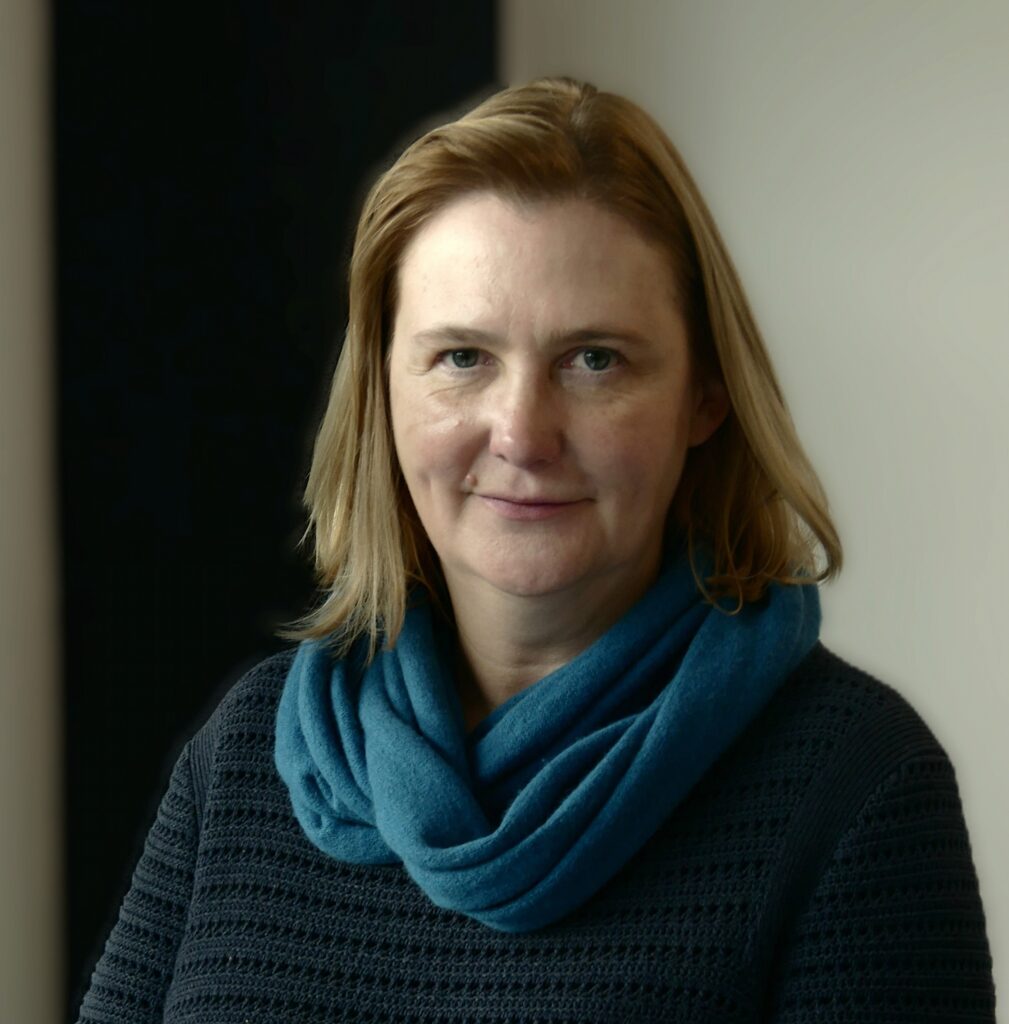
Dr Jo Wildman
Equality, Diversity and Inclusion Research Lead
Jo is an experienced mixed-methods researcher with expertise in evaluating complex health, social care, and community interventions. She has designed and delivered research across a range of topics, including social prescribing, brief interventions supporting people experiencing emotional distress, and the impacts of Scotland’s devolved disability and family social security benefits. Jo is also interested in improving access to research for ‘seldom-heard’ groups.
Leanne Anderson Clements

Project Support Lead
Leanne is the Project Manager for IDEAS-NET and will provide valuable guidance and support to the team. Leanne is a Chartered Manager with extensive experience leading and supporting various complex projects.
Our Strategy
Who We Work With
Firstly we have a group of individuals/organisations that will work with us across the entirety of our current 5-year funding period. Known as our Public and Patient Involvement and Engagement Stakeholder (PPIES) group, we will work closely with this group to ensure our research is meaningful and impactful collaboration takes place throughout the project.
We will set up other PPIE groups specifically set up for each evaluation we do. We will ask our PPIES group to help us to recruit people for these groups and we will also recruit through other ways. How we do this will depend on what the topic of the evaluation is for example, if the evaluation concerns people living with diabetes, we will look at how we recruit people with diabetes.
One challenge for us is being a national team. This means our evaluations could cover any (or all) parts of the UK, so we want to have national representation in our PPIE groups. We will work with our PPIE contributors to identify people across the UK we should work with and will post updates on our website and through our mailing list.
If you are an individual/organisation who is interested in joining one of these groups, visit the Contact Us page and get in touch.